
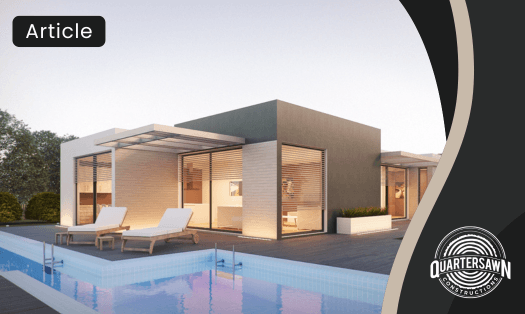
Passive solar design benefits make homes in Gundaroo and Sutton both comfortable and energy-efficient, perfectly suited to the region’s distinct climate and lifestyle. By working with the sun rather than against it, this approach offers long-term value, lower energy costs, and exceptional year-round comfort.
Homeowners in these areas experience a wide range of temperatures, from frosty winter mornings dropping below zero to warm summer days reaching the high twenties. This variation makes passive solar building an ideal solution for creating homes that stay warm in winter and cool in summer while reducing reliance on electrical devices for heating and cooling.
Understanding the Local Climate Context
The cool temperate climate in Gundaroo and Sutton provides ideal conditions for passive solar home design that makes the most of solar heat and natural air movement.
Cold winters and warm summers characterise these townships on Canberra’s northern fringe. Winter days often start below freezing, with July temperatures averaging around 0°C, but bright sunny days provide valuable solar radiation. Summer brings long daylight hours with temperatures in the mid to high twenties and relatively low humidity, encouraging the use of natural ventilation and shading strategies that block sunlight while capturing cooling breezes.
By understanding these seasonal patterns, home designs can be tailored to collect heat when needed and release stored heat gradually after sunset. This balance ensures consistent comfort even through temperature variations typical of this region.
Core Passive Solar Design Principles for the Region
The foundation of passive solar home design rests on orientation, zoning, and thoughtful management of sunlight, ventilation, and thermal energy.
Building Orientation and Zoning
Proper building orientation allows sunlight to enter during winter while minimising heat gain in summer.
Homes built along an east-west axis maximise northern solar access, enabling the winter sun to penetrate living areas when heating is most needed. Rooms where families gather—living spaces, dining areas, and kitchens—belong on the northern side, while storage, laundries, or bathrooms can buffer the cooler southern exposure. This layout distributes heat naturally and keeps key areas at a comfortable temperature throughout the heating season.
Shading for Seasonal Comfort
Effective shading is one of the simplest yet most powerful passive solar design techniques for managing solar gain.
The sun’s angle changes significantly between seasons in this region, sitting at approximately 31 degrees above the horizon at midday in winter and climbing to around 78 degrees in summer. During the cooling season, eaves, awnings, and pergolas prevent summer solar heat gain, while in winter, lower-angle sunlight can reach deep into the home to collect heat when it’s most beneficial. Deciduous plants or adjustable screens add flexibility, allowing homeowners to respond naturally to Canberra’s changing seasons without mechanical systems.
Thermal Mass and Insulation Working Together
Combining thermal mass with high-quality insulation helps regulate indoor temperatures naturally and reduces daily temperature fluctuations.
Using Thermal Mass Effectively
Thermal mass materials absorb heat during the day and release stored heat slowly when temperatures drop.
Concrete slabs, masonry walls, and stone surfaces act as thermal storage zones, absorbing solar heat gain and distributing radiant heat evenly into living spaces. This thermal lag effect ensures that warmth captured during daytime heat gain continues to work well into the evening, reducing the need for supplementary heaters.
The Role of Insulation
Proper insulation complements thermal mass by locking in usable heat during winter and limiting heat transfer during summer.
Well-insulated walls, roofs, and floors minimise heat loss and improve thermal performance, ensuring that homes use less energy to maintain comfortable indoor conditions. Modern insulation materials with superior insulation properties also reduce air leakage, making homes quieter and more consistent in temperature.
Window Design and Glazing Choices
Windows play a crucial role in passive solar heating and overall energy efficiency.
Orientation and material choice determine how much solar heat gain is captured or blocked. North-facing glazing should represent most of a home’s window area to collect the winter sun. East and west windows require thoughtful shading to avoid overheating, while south-facing glass should remain minimal in this region’s cooler climate.
Double glazed or even triple glazed windows with low-emissivity coatings prevent night time heat loss while allowing sunlight to enter comfortably during the day. Well-placed openings also encourage air movement and natural cross-ventilation that freshens interior air quality.
Natural Ventilation and Air Flow
Natural ventilation is essential for maintaining comfort during Gundaroo and Sutton’s dry, warm summers.
Thoughtfully placed windows and doors create cross-ventilation pathways, allowing cooler air to flow in and warm air to escape. The stack effect, where rising warm air exits through higher-level openings, enhances this passive cooling. Combined with ceiling fans or heat recovery ventilators, these strategies improve air quality and reduce reliance on mechanical systems during the cooling season.
When designed correctly, natural ventilation reduces inside humidity, encourages airflow across thermal mass materials, and maintains fresh air throughout the living space.
Reducing Energy Costs and Improving Efficiency
A passive solar home minimises dependence on heating and cooling systems, reducing energy use and long-term costs.
Homes built using passive solar principles can lower heating and cooling energy consumption significantly, with reductions typically ranging from 25% to 75% for heating loads, depending on the level of design implementation. Well-designed passive solar homes incorporating thermal mass and quality insulation can achieve even greater total energy reductions of 40% to 65% compared to conventional designs.
During the heating season, well-designed homes capture and retain more heat naturally. In summer, shading features and air movement manage heat gain without mechanical cooling. The result is lower energy bills and fewer emissions, aligning perfectly with sustainable rural living values.
Comfort, Health, and Livability
Beyond energy savings, passive solar homes create naturally balanced living environments that support well-being.
By maintaining consistent temperatures between floor and ceiling, thermal mass and insulation reduce drafts and eliminate cold corners. This radiant heat comfort helps prevent health issues associated with sudden heat loss and supports restful sleep.
Fresh air flowing through the home aids respiratory health, while the abundance of natural light boosts mood and livability. Reduced reliance on electrical devices for climate control also lowers indoor noise and operational costs, enhancing both comfort and value.
Practical Design and Site Considerations
Thoughtful planning ensures that passive design solutions match both site conditions and owner preferences.
In Gundaroo and Sutton, selecting a block with good northern exposure is particularly rewarding. The slope of the land, presence of trees, and nearby buildings all affect solar access. Designs should store heat in building materials that absorb heat during sunny winter days and prevent unwanted heat transfer in summer.
Planning early for solar panels or future active solar integration adds further flexibility and ensures the home remains energy efficient for decades to come.
Architectural Flexibility and Aesthetic Appeal
Passive design principles can be seamlessly incorporated into any architectural style.
From contemporary designs featuring open-plan layouts and wide glass panels to more traditional country homes with thick masonry walls, the same solar design ideas apply. Every passive solar home design can be tailored to suit each family’s lifestyle while maintaining optimum thermal performance and visual appeal.
These designs naturally complement the rural landscape of the Yass Valley, using local materials and craftsmanship to create homes that feel grounded, durable, and distinctly at home in the region.
Futureproofing with Passive Solar Technologies
Passive solar homes prepare owners for future climate and technology changes without compromising comfort.
By integrating solar panels, battery systems, or updated ventilation systems, homeowners can easily enhance existing passive features. These technologies complement passive solar fractions already providing heating and cooling efficiencies, offering peace of mind in uncertain energy markets.
Good design also ensures longevity—quality materials with strong insulation properties maintain their thermal performance even decades later, providing continuous value and sustainable comfort.
Why Choose Quartersawn Constructions
At Quartersawn Constructions, we believe the best homes combine craftsmanship, integrity, and intelligent design.
Our team specialises in building passive solar homes designed specifically for the Canberra region, including Gundaroo and Sutton. We focus on natural light, solar access, and sustainable building materials that create lasting comfort and low running costs. Every project is approached collaboratively, ensuring our clients feel informed and supported from concept to handover.
We apply proven passive solar design techniques developed through years of local experience—balancing orientation, insulation, and thermal mass with an architect’s eye for aesthetic quality.
Conclusion
Passive solar design transforms the way homes in Gundaroo and Sutton perform, using natural resources to create energy-efficient, comfortable, and healthy spaces. Through proper orientation, shading, insulation, and ventilation, these homes capture the warmth of winter sun, moderate daytime heat gain, and manage summer cooling naturally.
For homeowners and families, the rewards go beyond reduced energy costs. A passive solar home offers enduring comfort, reliability, and value—the kind of living environment that adapts beautifully to both climate and lifestyle.
At Quartersawn Constructions, we’re here to help you design and build a home that makes the best use of sunlight, air movement, and quality craftsmanship, creating an inspiring, lasting home that fits perfectly in the Gundaroo and Sutton landscape.
