
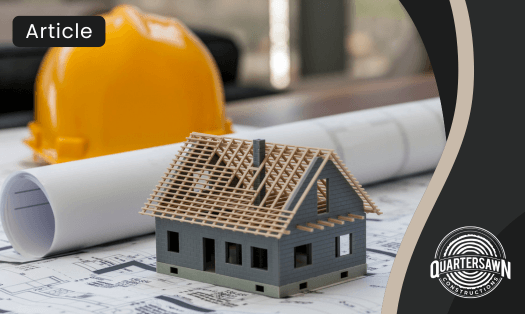
How to choose a builder for your renovation project or new home is one of the most important decisions you’ll face as a homeowner. Whether you’re planning a custom build, renovation, or extension in Canberra, the right builder will directly impact the quality, timeline, and overall experience of your project. Finding the perfect partner means understanding what separates quality builders from the rest and knowing exactly what questions to ask before making your choice.
Your dream home represents your largest investment, and the construction company you choose becomes your partner in bringing your vision to life. The wrong choice can lead to delays, cost overruns, poor workmanship, and months of stress. Great builders, however, will guide you through the building process with transparency, deliver superior craftsmanship, and create a finished home you’ll love for years to come.
Understanding Your Project Requirements
Before you start your search for potential builders, you need a clear picture of what your building project involves. This foundation will help you identify home builders with the right expertise and ensure you’re asking the right questions during your research.
Defining Your Project Scope
Every successful construction project starts with a well-defined scope. Whether you’re planning a new build from scratch, adding an extension, or renovating existing spaces, be specific about what you want to achieve. Consider the style of home you’re after, the materials you prefer, and any sustainable features that matter to you.
Document your must-haves versus nice-to-haves. This clarity will help potential builders provide accurate quotes and timelines. It also ensures you’re comparing apples to apples when evaluating different builders’ proposals and helps you stay within budget.
Setting Realistic Budget Expectations
Understanding your budget helps narrow your search to builders who work within your price range. Remember that quality craftsmanship comes at a premium, and extremely low costs often indicate corners being cut somewhere in the building process.
Include a contingency of 10-20% in your budget for unexpected discoveries or changes during construction. Most builders will discuss this with you upfront and help you understand what your money can realistically achieve for your project.
Timeline Considerations
Be realistic about timeframes for your project. Custom builds and major renovations take time, especially when quality craftsmanship is involved. Rushing the process often leads to compromises in quality or workmanship during the pre construction and design phase.
Discuss seasonal factors that might affect your build, particularly in Canberra where weather can impact construction schedules. A quality builder will explain how they manage these challenges and keep projects on track.
Essential Qualities to Look for in a Builder
Quality builders share certain characteristics that set them apart from the competition. These qualities indicate professionalism, expertise, and a commitment to delivering exceptional results for their clients.
Licencing and Insurance Requirements
Every legitimate builder in the ACT must hold current licences and comprehensive insurance. Don’t take their word for it—ask to see documentation and verify licences with relevant industry associations like the Master Builders Association or Housing Industry Association.
Proper public liability insurance protects both you and the construction company during building. This includes workers’ compensation and contract works insurance. A reputable builder will provide certificates without hesitation and explain what each policy covers.
Proven Track Record and Experience
Look for builders who specialise in projects similar to yours. A small builder focusing on commercial work might not be the best choice for your custom home, while someone known for basic renovations might lack the skills for complex architectural designs.
Ask about their experience with your specific project type, the challenges they’ve encountered, and how they’ve solved problems. This conversation reveals their problem-solving approach and technical expertise in the building industry.
Quality of Previous Work
Nothing speaks louder than a builder’s completed projects. Ask to see recent examples of their work, ideally projects similar to yours in scope and style. Visit display homes or finished projects if possible.
Pay attention to the attention to detail, quality of finishes, and overall craftsmanship. Look at how well their work has aged—quality construction should look excellent years after completion.
Communication and Transparency
Exceptional builders communicate clearly and regularly throughout your project. They explain complex processes, provide regular updates, and are available to answer questions and address concerns when they arise.
Transparency extends to pricing, timelines, and potential challenges. The best builders discuss possible issues upfront rather than surprising you with problems later in the building process.
Researching Potential Builders
Thorough research helps you create a builder checklist and shortlist of contractors worth considering for your project. This process takes time but is essential for finding the right partner.
Finding Qualified Candidates
Start by asking friends, family, and neighbours about their experiences with local home builders. Personal recommendations from people you trust carry significant weight, especially when they can speak to the builder’s reliability and quality of work.
Online forums, industry associations, and registered builder directories provide additional insights. Remember that exceptional builders often get work through referrals from previous clients rather than heavy online marketing.
Evaluating Online Presence and Reviews
When you read reviews online, look for patterns rather than isolated complaints. How does the builder respond to criticism? Do they address concerns professionally and work toward solutions with homeowners?
Check multiple platforms for reviews, including the company website, Google, industry-specific sites, and social media. Be wary of builders with only glowing reviews or those with numerous complaints about the same issues from customers.
Checking References and Past Projects
Always request recent references from potential builders, preferably from projects completed within the last two years. Contact these previous clients and ask about their experience, the quality of work, adherence to timelines, and how any issues were resolved.
When possible, visit completed projects to assess the builder’s work firsthand. This gives you a much better sense of their craftsmanship quality than photos alone and helps you gather all the information you need.
Key Questions to Ask Potential Builders
The questions you ask potential builders reveal crucial information about their approach, expertise, and suitability for your project. Don’t rush this process—thorough questioning now prevents problems later and helps you make important decisions.
Project-Specific Inquiries
Ask detailed questions about their experience with projects like yours. How many similar projects have they completed? What challenges do they anticipate with your specific design or site conditions?
Discuss their approach to project management, including who will be on location daily, how they coordinate trades and contractors, and their process for handling changes or unexpected issues during construction.
Timeline and Process Questions
Understanding their typical project timeline helps set realistic expectations. Ask about important factors that might cause delays and how they communicate schedule changes to clients throughout the building process.
Inquire about their process from initial consultation through to final handover. Quality builders have systematic approaches that ensure nothing falls through the cracks during your project.
Pricing and Contract Details
Request detailed breakdowns of pricing, including what’s included and what might constitute an extra cost. Be wary of builders who are vague about pricing or reluctant to provide detailed estimates for your project.
Discuss their building contract terms, payment schedules, and warranty provisions. Quality builders stand behind their work with comprehensive warranties and fair payment terms that protect homeowners.
Quality Control and Standards
Ask about their quality control processes throughout construction. How do they ensure work meets their standards? What happens if something doesn’t meet expectations during the building process?
Discuss the materials they typically use and their sources. Quality builders have established relationships with reliable suppliers and can explain why they choose specific materials or products for projects.
Red Flags to Avoid
Recognising warning signs early can save you from costly mistakes and frustrating experiences. Some red flags are obvious, while others require more careful observation during your search.
Unrealistic Promises
Be cautious of builders who promise unrealistic timelines or prices significantly below other quotes. Quality construction takes time, and extremely low costs often indicate shortcuts or hidden expenses in your project.
Avoid builders who guarantee they can start immediately when others are booking months ahead. This might indicate they struggle to maintain steady work due to quality or reliability issues in the industry.
Poor Communication Early On
If a potential builder is difficult to reach, slow to respond, or unclear in their communication during the quoting process, these problems will likely worsen during construction of your project.
Pay attention to how they present information and handle your concerns. Professional builders provide clear, detailed quotes and explanations rather than vague estimates or confusing documentation.
Lack of Proper Documentation
Insist on written quotes, contracts, and all project documentation. Builders who prefer verbal agreements or resist providing detailed plans create unnecessary risks for homeowners.
Verify that they hold current licences and insurance before you sign any agreements. This basic research protects you from significant legal and financial risks during your building project.
Pressure Tactics or Upfront Payments
Reputable builders don’t pressure you to sign immediately or demand large upfront payments. They understand that choosing a builder is an important decision that requires careful consideration and research.
Be wary of door-to-door builders or those who create artificial urgency around pricing or availability. Quality builders earn work through reputation and referrals from satisfied clients, not high-pressure sales tactics.
Making Your Final Decision
After thorough research and multiple conversations, you’ll need to assess all the information to make your choice. This decision impacts not just the immediate project but your long-term satisfaction with your new home.
Comparing Quotes and Proposals
Look beyond the bottom line when comparing quotes from different builders. Consider what’s included, the quality of materials specified, and the level of detail provided in plans and specifications.
Evaluate the professionalism of each proposal and building contract. Well-organised, detailed quotes indicate a systematic approach to project management and attention to detail that will benefit your project.
Trusting Your Instincts
After all the research and analysis, trust your instincts about which builder feels right for your project. You’ll be working closely with this company for months, so a good working relationship matters enormously.
Consider which builder best understood your vision and seemed most aligned with your values and expectations. The best technical skills mean little if there’s a poor personality fit for your building project.
Contract Finalisation
Once you’ve chosen your builder, carefully review the building contract before you sign. Don’t hesitate to request clarification on any terms you don’t understand or negotiate elements that concern you.
Ensure the contract includes detailed specifications, clear timelines, payment schedules, and comprehensive warranty terms. A well-written contract protects both parties and prevents misunderstandings during your project.
Financial Stability and Business Considerations
Beyond craftsmanship and communication, assess the financial stability of your chosen construction company. A builder’s business health directly impacts their ability to complete your project successfully and provide ongoing service.
Request information about their business history, current workload, and financial standing. Established builders with steady work and good business practices are more likely to be there for warranty work and future service needs.
Consider the size and structure of their business. While small builders can offer personalised service, ensure they have the resources and capacity to handle your project without overextending themselves.
Why Consider Quartersawn Constructions for Your Home Project
At Quartersawn Constructions, we understand that choosing the right builder means finding someone who listens to your vision and brings it to life with exceptional craftsmanship. Our collaborative approach ensures you’re involved in every decision while our experience handles the complex details of the building process.
We’re transparent about our processes, timelines, and costs from the very first conversation. Our team, personally trained and led by our Founder, delivers consistent quality across every aspect of your project, from custom joinery crafted in our own workshop to careful site management that respects your neighbourhood and keeps your project on track.
Conclusion
Choosing the right builder for your home project requires careful research, thoughtful questions, and trust in your instincts. Quality builders combine technical expertise with clear communication, proven experience with genuine care for your vision, and competitive pricing with uncompromising quality.
Take time to thoroughly assess potential builders, check their credentials and references, and ensure they understand your specific needs and expectations. Remember that the cheapest option rarely delivers the best value, while the most expensive doesn’t guarantee superior results for your project.
Your dream home deserves a builder who treats it as more than just another job—someone who understands that they’re creating the space where you’ll build memories for years to come. Choose wisely, and your investment in quality craftsmanship will reward you every day you walk through
